Hi again!
Today I had to learn about different camera shots and other features about filming e.g. camera angles.
So here are the 10 camera shots I learnt with pictures to explain:
1. Establishing shot- this is to set the location of a scene to lead the viewer or audience into the situation easily.

2. Next, the long shot- this usually includes a character in a certain location which is shown behind them. T suppose this gives the viewer or audience an idea of where the character is.

3. Full shot- basically shows the character profile; head and shoulders or sometimes it can show their whole body.

4. Medium shot- this is very similar to a full shot- it shows a character from their head to their torso. I suppose that this makes the audience focus more on that character even though the background is shown a bit behind them.
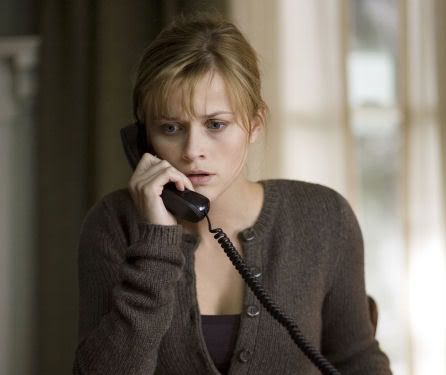
5. Close up- this shot focuses on the protagonist's face. This gives the audience to experience of what he or she (or even it!) is feeling.

6. Extreme close up- can be focusing on a person's facial features e.g. mouth. This makes the audience be able to dig deeper even more to discover what this individual is going through.
7. The 'American shot'- it's basically a medium shot that includes where (according to some sources) 'the guns are showing.' Typically used in Westerns to bring tension and making the audience ask 'What's going to happen next?'

8. Extreme long shot-very similar to the establishing and the long shot, setting the scene using a films landscape.
9. Master shot- a shot done in one continuous take and shows an entire scene with all the key elements. This makes the viewer or audience feel more aware of what's happening in the plot.

10. Two shot- this is framed to show two characters arranged symmetrically often facing each other.
1. Eye level- when the camera is posed as a character observing the scene. This makes the viewer or audience feel more connected and involved in the plot by the director using this method.

2. Low angle- when the camera is positioned to look up at the subject of the shot, maybe as a smaller person or a pedestrian tilting their head up to a building.

3. High angle- the opposite of a low angle. When the position of the camera is looking down on a character, like a taller person. I suppose this gives the audience or viewer how insignificant one person is in this world.
Thanks for reading and will update soon!
Emily x

No comments:
Post a Comment